Precision Manufacturing Capabilities
CNC and VMC machining at our core, supported by engineering review, coordinated secondary processes and customer-specific inspection and testing requirements.
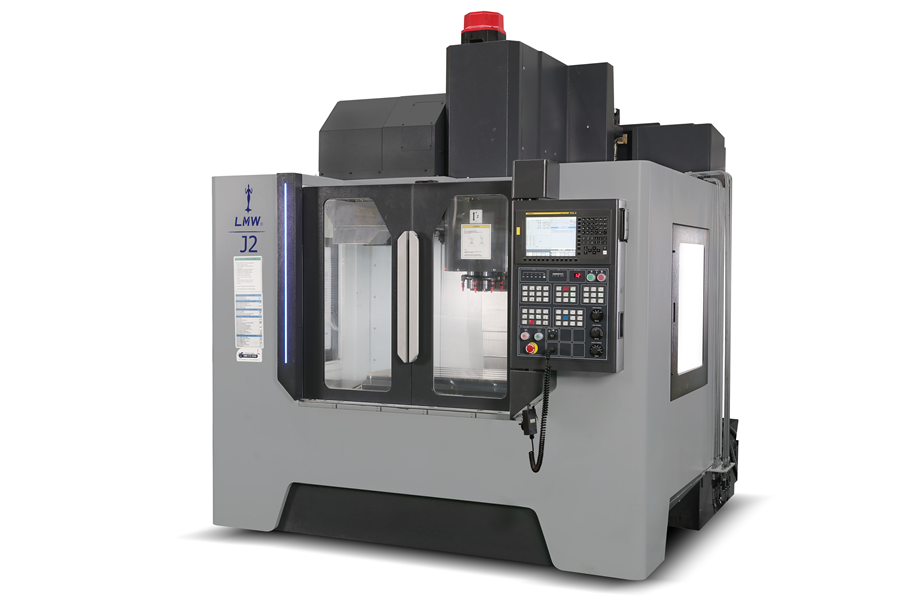
From engineering review to finished component.
A clear view of our core machining capability and the supporting processes that can be coordinated to meet each component’s requirements.
Drawing-led component work, supported by practical engineering review.
Precision Machining
CNC and VMC machining for component features, profiles, pockets, slots and drawing-defined geometries.
CNC Turning
Turning operations for shafts, bushes, pins, spacers, flanges and other cylindrical components.
Engineering Review
Drawing and revision review, manufacturability discussion, setup planning and identification of critical features before production.
Additional requirements are assessed against the drawing, specification and agreed supply scope.
High-Precision Gears
Gear requirements reviewed against geometry, accuracy class, material and quantity; the manufacturing route is confirmed for each enquiry.
Finishing & Special Processes
Buffing & Deburring
Components are deburred and finished as required to remove burrs and prepare surfaces and edges for subsequent operations.
Customer-Specified Special Processes
Surface treatment and heat treatment are coordinated through external suppliers when required by customer drawings or specifications.
External Supplier Coordination
Customer-specified processes may be coordinated with suppliers such as VMF, Alcoats and Abhedya Aero Metal Treatments, subject to process availability and customer requirements.
Assembly
Component assembly can be considered when the scope, bill of materials, fit requirements and inspection criteria are agreed.
Inspection and testing requirements are defined around the customer’s drawing and release criteria.
Inspection
Dimensional checks and inspection documentation planned around critical features and customer requirements.
Testing
Customer-required testing arranged through external providers, subject to the agreed specification and scope.
Prototype to Batch
First-off development and repeat manufacturing considered in line with component complexity, quantity and delivery needs.
Give engineering the right information first.
2D Drawing
Dimensioned PDF, DXF or equivalent technical drawing.
3D CAD
STEP, STP, IGES or another usable solid model.
Material
Grade, specification, condition and required certification.
Quantity
Prototype, first-off, batch quantity and expected repeat demand.
Bring the details that make a component manufacturable.
Revision
Identify the current drawing and model revision before programming begins.
Datums & tolerances
Call out critical datums, positional requirements and tight features.
Finish & treatment
State surface finish, deburring, heat treatment or outsourced treatment requirements.
Inspection
Identify reports, certificates, traceability and other release documentation.
Critical features should be discussed before the first cut.
Deep pockets, thin walls, tight positional tolerances, difficult datums and finish requirements can all influence process selection. Put the critical features into the RFQ so the quotation starts with the right questions.
Have a drawing? Let’s start with the details.
Share your drawing or 3D model, material, quantity and critical requirements. We’ll review the manufacturing scope and discuss the next step with you.